
Goro Abe spent over two decades building one of Nintendo's most deranged and beloved franchises. Now he's handing in his lanyard, walking past every other studio in the industry, and going straight to a lecture hall. According to a post on X, Abe confirmed he resigned from Nintendo at the end of February and will join Osaka Electro-Communication University as a professor starting in April.
任天堂を2月いっぱいで退職しました。
— 阿部悟郎 / GORO ABE (@goroemon) March 9, 2026
4月からは大阪電気通信大学の教授として働きます。
所属は新設される「ゲーム・社会デザイン専攻」です。
ゲームに関わる研究や、ゲーム制作にも取り組む予定ですので、これまで以上に広く、さまざまな方々と関わっていけたらと思います。
He'll be working within the university's Department of Digital Games, specifically as part of a newly established program called the Game and Social Design course. In his own words, he plans to "engage in research related to games and game development" and hopes to "interact with a wider range of people in various ways than ever before." Which, honestly, is a pretty graceful way to describe going from shipping WarioWare to grading papers about it.
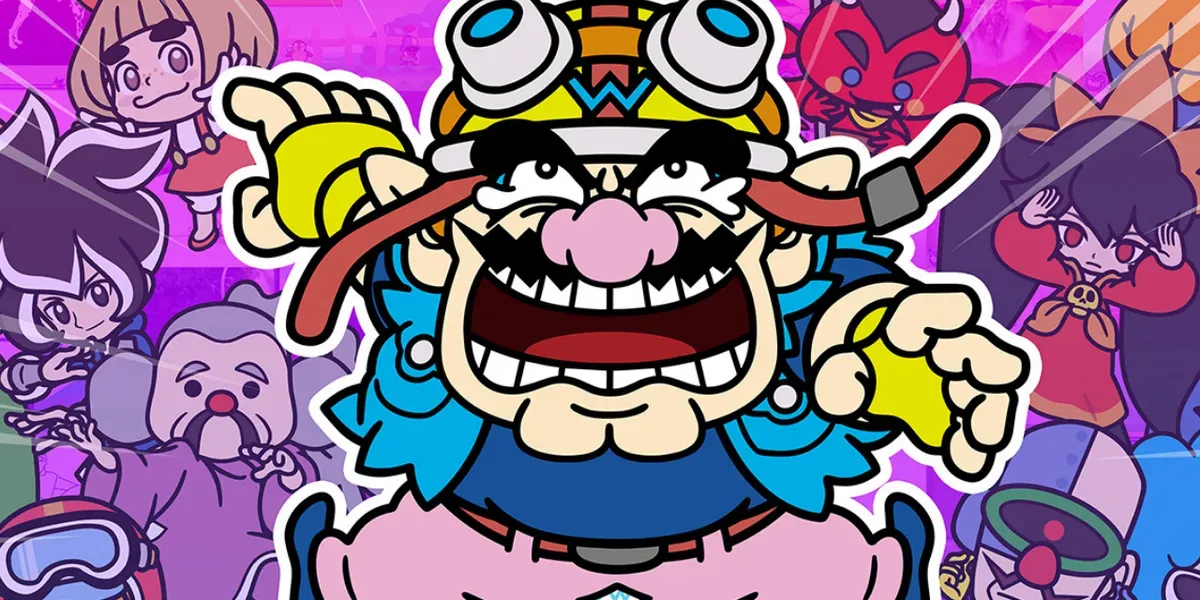
Abe's history with Nintendo is longer than most people probably realise. He joined in 1999, briefly after a stint at Ascii, and cut his teeth as a programmer on Wario Land 4 for the Game Boy Advance in 2001. From there he became one of the key architects of the original WarioWare, handling game design, graphic design and microgame programming simultaneously. That's a rare combination, and it shows in how cohesive and weird that first game felt. He then directed or co-directed essentially every entry in the series: Mega Party Games on GameCube, Twisted and DIY on GBA and DS, Touched on DS, Smooth Moves on Wii, Game & Wario on Wii U, Gold on 3DS, Get It Together on Switch, and finally WarioWare: Move It! on Switch in 2023. That last one was his final credit with Nintendo.
A Pattern Nintendo Should Be Paying Attention To
Abe's departure is the latest in a string of high-profile exits from Nintendo, and the pattern is worth naming plainly. In January, both Hideki Konno (Mario Kart, Yoshi's Island) and Kensuke Tanabe (Super Mario Bros 2 and 3, Metroid Prime series) retired from the company. Several other foundational names are at or approaching retirement age, including Shigeru Miyamoto at 72, Yoshio Sakamoto at 65, Takashi Tezuka at 64, Koji Kondo at 63, Eiji Aonuma at 62, and Super Mario Kart designer Tadashi Sugiyama at 66. That's not a coincidence or a slow trickle. That's a generation of creators who built Nintendo's identity over four decades all reaching the same inflection point at roughly the same time.
Abe's situation is slightly different, though. He's not retiring. He's 25-plus years into his career and choosing to redirect that expertise into education rather than another development role. The real question is what that means for WarioWare itself. The series has always felt like it needed someone with genuine ownership of its chaos to keep it from becoming a novelty act. Abe was that person. Whether Nintendo finds a successor who understands why five-second microgames about sneezing into a tissue are funny is genuinely unclear, and that's not a small thing for a franchise this specific.
Credit where it's due to Abe for the way he's leaving. No bitter exit, no vague 'pursuing new opportunities' non-statement. He announced it plainly, said where he's going, and explained why. The next generation of Japanese game designers who end up in his classroom are going to learn from someone who shipped nine entries in one of Nintendo's most consistently inventive series. That's not nothing. The WarioWare series, on the other hand, just lost its most important person, and Nintendo hasn't said a word about it.
Want to see more? Catch all the latest gaming news, updates, and patch notes right here at XP Gained!