
Sometime on March 6th, Valve published its Steam Year in Review 2025 blog post containing a sentence that set off immediate alarm bells: "We hope to ship in 2026." By evening, that sentence was gone. In its place: "we will be shipping all three products this year." No footnote, no acknowledgment of the change. Just a quiet rewrite, as if the original never existed.
The products in question are the Steam Machine, the Steam Frame VR headset, and the new Steam Controller, all announced in late 2025. The original plan had them launching in Q1 2026. That slipped to the first half of the year after Valve published a blog post detailing delays caused by memory and storage shortages driven by AI infrastructure demand eating through available components. Now the window is simply "this year," with no further specifics.
The word swap was caught almost immediately. Cromwelp flagged it on X, and from there it spread fast. The optics are awkward. "We hope" is the kind of language a company uses when it genuinely does not know. It is not PR boilerplate; it is a slip. Replacing it with a declarative statement hours later does not undo the fact that someone at Valve wrote the hopeful version first, approved it, and published it.
The Component Problem Is Not Going Away
Valve has been transparent, at least in broad strokes, about why this is happening. The RAM and SSD shortage is real and well-documented; Nvidia said on its recent earnings call that it does not expect supply conditions to improve anytime soon. Valve is trying to build consumer hardware at a price point that makes sense without subsidizing it the way Sony and Microsoft do with PlayStation and Xbox. Pierre-Loup Griffais confirmed in an interview with Skill Up that the Steam Machine is priced more like a PC than a console, targeting performance parity with a self-built machine at the same spec level. That is a reasonable philosophy in a stable market. In this one, it means Valve cannot lock in pricing without knowing what components will actually cost by the time units ship.
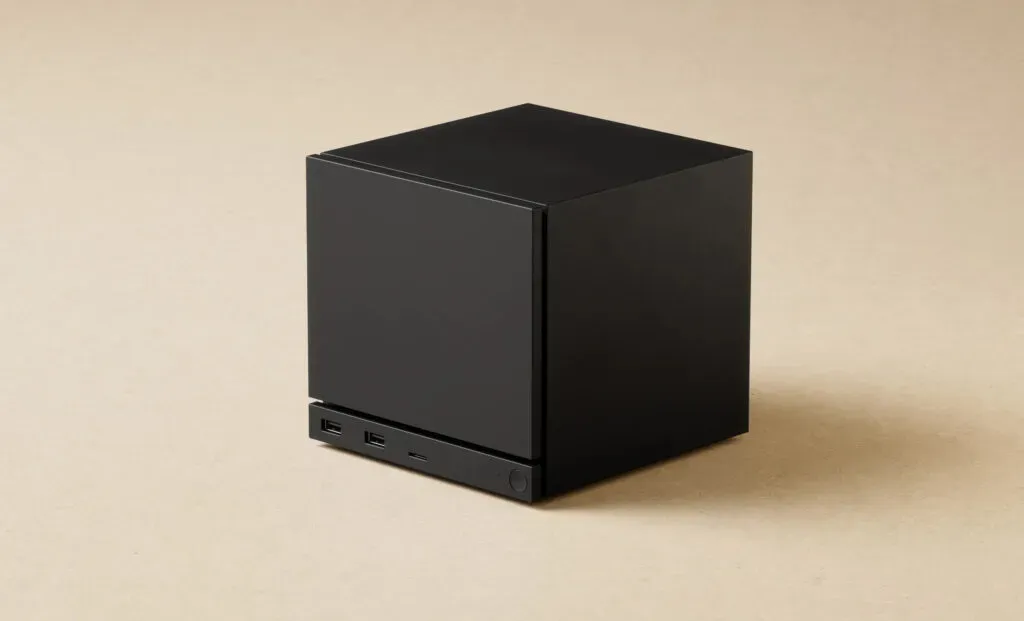
The Steam Machine is reportedly more powerful than roughly 70% of gaming PCs currently registered on Valve's hardware survey. That positions it well against the existing Steam user base. But it also means it sits in a part of the market where component costs have been hit hardest. A machine targeting that performance tier, priced like a PC build rather than a subsidized console, was already expected to land above $700. With current shortages, that number is not getting smaller.
Valve's updated statement says "more updates will be shared as we finalise our plans," which is the corporate equivalent of asking for more time on a test. The company also used the blog post to reflect on the original 2013 Steam Machine era, noting that Proton, Steam Deck, and years of manufacturing experience have solved problems that sank the first attempt. That context is genuinely relevant. The 2025 hardware lineup is a much more credible product than anything Valve shipped a decade ago. None of that changes the fact that Valve published uncertainty, noticed it looked bad, and edited it out rather than addressing it directly.
The firm commitment to 2026 is now on record. Whether the components cooperate is a different question entirely, and no amount of post-publication editing changes the answer.
Want to see more? Catch all the latest gaming news, updates, and patch notes right here at XP Gained!