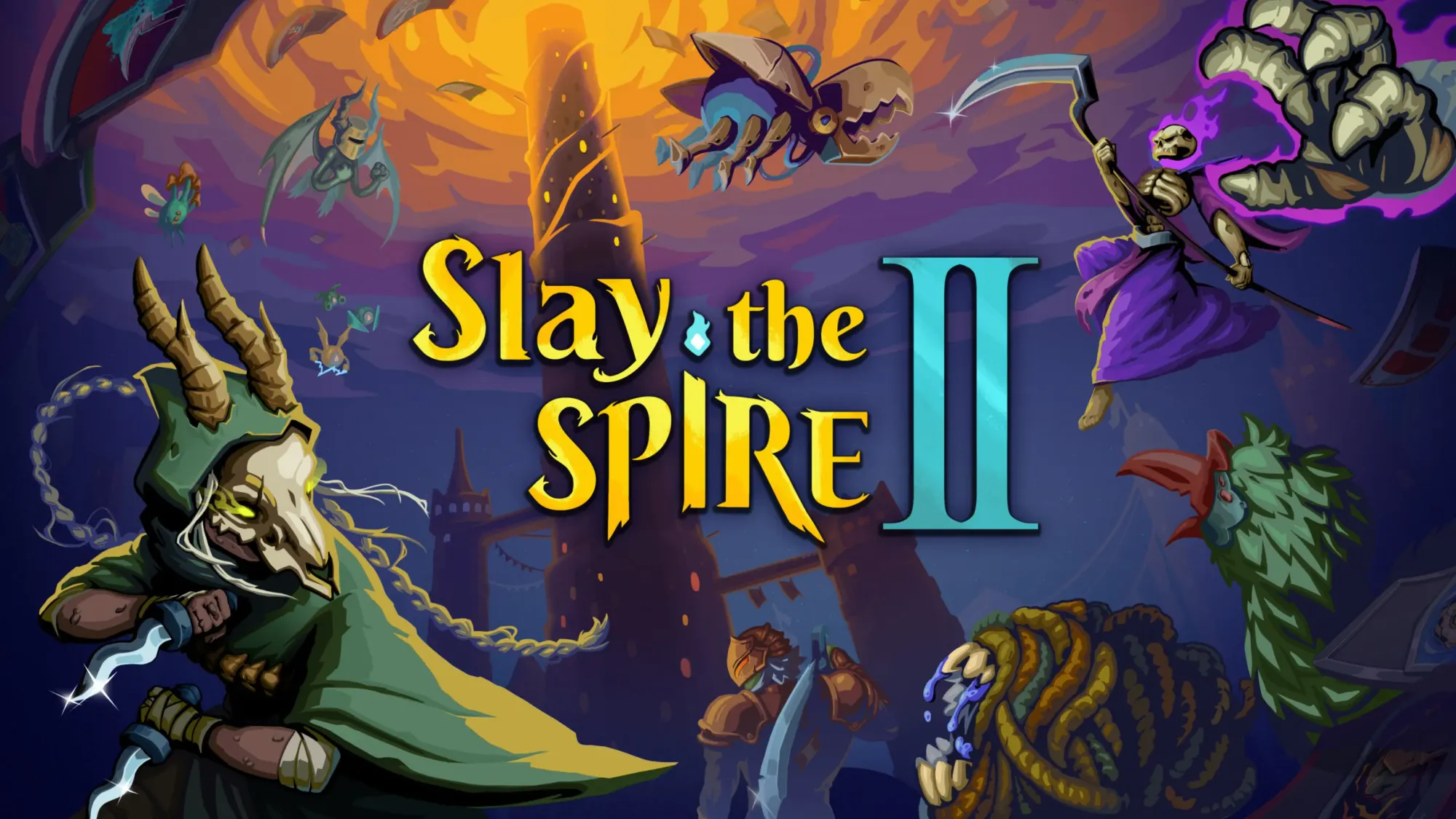

Slay the Spire 2 launched into early access on March 5th and immediately made the original look like a prototype. Within less than two hours, the sequel peaked at 156,584 concurrent players on Steam. The original's all-time high was 57,025, a number it only hit last December when the first gameplay footage of the sequel dropped. That means STS2 nearly tripled its predecessor's lifetime peak before most people had even finished their first run.
For context, Slay the Spire 1 launched into early access as an unknown indie and built its reputation over years of word of mouth, eventually crossing 1.5 million sales around its 1.0 launch. The sequel doesn't have that problem. It arrives with one of the most devoted fanbases in the deck-builder genre already primed and waiting, and the numbers show it. The launch was so busy that, combined with Bungie's Marathon releasing the same day, it apparently broke Steam's checkout system for a stretch.
What You're Actually Getting at Launch
Mega Crit is upfront that this is early access in the real sense. Developer Casey Yano told Destructoid the current build is "missing so much content," and the team is estimating one to two years before the full release. The price will go up when that day comes, so the window to buy in cheaper is now. What's already in the game includes five playable characters, with the Ironclad, Silent, and Defect returning from the original, new cards, new Relics, and a co-op mode for up to four players that brings multiplayer-exclusive cards and team synergies. The story is set 1,000 years after the first game, with the Spire reawakening and doing what it does best.
The sequel is also built on Godot, the open-source engine, which matters for a couple of reasons. It ships with native Linux support from day one and is playable on Steam Deck, even if Valve hasn't issued a formal rating yet. Modding was already a cornerstone of the first game's longevity, and Yano confirmed the team is specifically focused on reducing friction for modders this time around, giving players more resources and easier entry points than STS1 offered.
On monetization, Yano was direct: "We're microtransaction haters." The plan is for all gameplay content to remain accessible to everyone, keeping balance discussions, which Yano described as the studio's "lifeblood," meaningful. Cosmetics may appear at some point, but the approach is clearly the opposite of what's become standard in live-service games. The Steam post from Mega Crit also confirms that player feedback and bug reports can now be submitted directly in-game, a small but genuinely useful upgrade from how the first game handled community input during its own early access run.
The original Slay the Spire is one of the most influential games of the last decade; it basically defined a genre. Hitting nearly three times its predecessor's concurrent peak on day one of early access, before a full release, before a complete content slate, is the kind of opening that makes you reconsider what the ceiling actually looks like. Check out the launch trailer if you need any more convincing.
Want to see more? Catch all the latest gaming news, updates, and patch notes right here at XP Gained!