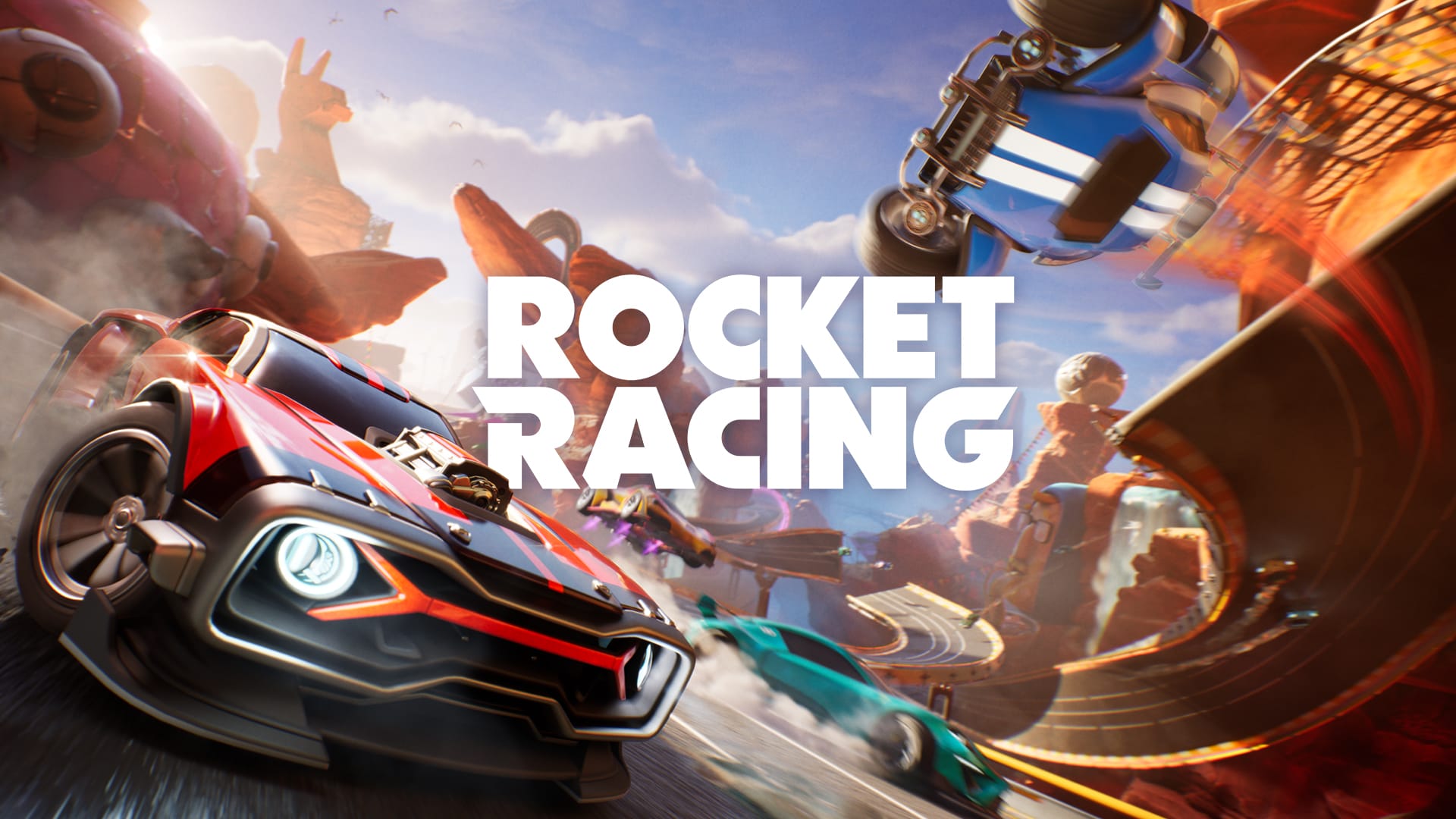

969 players. That's how many people were actively in Rocket Racing in the 24 hours before Epic announced it was shutting the mode down. Not 969,000. Not even 9,000. According to data from fortnite.gg, a mode that peaked at over 625,000 concurrent players at launch had quietly collapsed to fewer than a thousand regulars. The shutdown announcement didn't kill Rocket Racing. The players already had.
Epic confirmed the closures via Fortnite Status, announcing that three modes, Rocket Racing, Ballistic, and Festival Battle Stage, are being removed from Fortnite. The statement was at least honest about the reason: "We've built a lot of Fortnite modes, and in some cases we failed to build something awesome enough to attract and retain a large player base." Credit where it's due, that's a cleaner admission than most studios manage. But the numbers sitting behind that statement are genuinely grim.
Festival Battle Stage never even got off the ground. Its all-time peak was 2,833 concurrent players, and it averaged 777 in that final 24-hour window before the announcement. For context, that's a mode Epic built, shipped, and staffed, one that never once had more players than a mid-sized Twitch stream. Ballistic held up better on paper, peaking at 168,970 players back at launch in December 2024, but had dropped to 4,348 by the time Epic made the call. That's a 97% collapse in active players over roughly 16 months.
Rocket Racing launched on December 8, 2023, Ballistic on December 11, 2024, and Festival Battle Stage arrived in June 2024. Each came with ranked playlists, dedicated quests, and a genuine pitch to a specific audience. Rocket Racing was clearly chasing the Rocket League crowd. Ballistic was a direct swing at the tactical shooter space that Valorant owns. None of them held. The real question is whether Epic ever had a realistic plan to grow these modes past their launch spikes, or whether the initial player counts were always going to be the ceiling.
Ballistic and Festival Battle Stage go offline on April 16 as part of the 40.20 update. Rocket Racing has a longer runway and won't be fully removed until October 2026, though quests are already gone and the track creation template has been pulled from UEFN. Epic has said car physics and track-building tools will be added to the base UEFN toolset in April, giving creators a path to build their own racing islands before October. That's a reasonable handoff, and it's worth acknowledging.
All of this landed the same day Epic confirmed it was laying off over 1,000 employees. CEO Tim Sweeney's internal note cited a "downturn in Fortnite engagement that started in 2025" and acknowledged the company is "spending significantly more than we're making." That's a significant admission from a studio that spent years positioning Fortnite as an everything-platform. The follow-up post Sweeney made on X, however, went down about as well as you'd expect. Rather than addressing the human cost of the layoffs, he told potential employers they'd soon receive "a stream of resumes of once-in-a-lifetime quality folks." One user called it "genuinely what an insanely out of touch response."
The reaction from inside the industry was sharper. Michael Douse, Director of Publishing at Larian Studios, put it plainly: "'I didn't fire 1000 people I flooded the market with once in a lifetime talent' is truly brilliant word salad, absolute LinkedIn brainrot." Mathieu Ropert, former Technical Lead at Paradox Interactive, made the operational point that telling remaining staff their layoffs weren't performance-based is "an amazing way to motivate your remaining workers to take things extremely chill because it literally does not matter how they perform." The Act Man was more direct: "these once-in-a-lifetime employees were so incredible that we fired them all."
Make no mistake, the mode shutdowns themselves are defensible. Running live infrastructure for a game with 969 daily players is a bad use of money, and Epic's decision to keep the UEFN tools available so creators can build their own versions is genuinely the right call. But the broader picture here is a company that raised V-Buck prices by up to 25% earlier this month, cut over a thousand jobs, and is now quietly dismantling the platform ambitions it spent years promoting. Fortnite as an everything-platform was the pitch. What's left looks a lot more like just a battle royale game again, which, honestly, might be exactly what it needed to be.
Want to see more? Catch all the latest gaming news, updates, and patch notes right here at XP Gained!