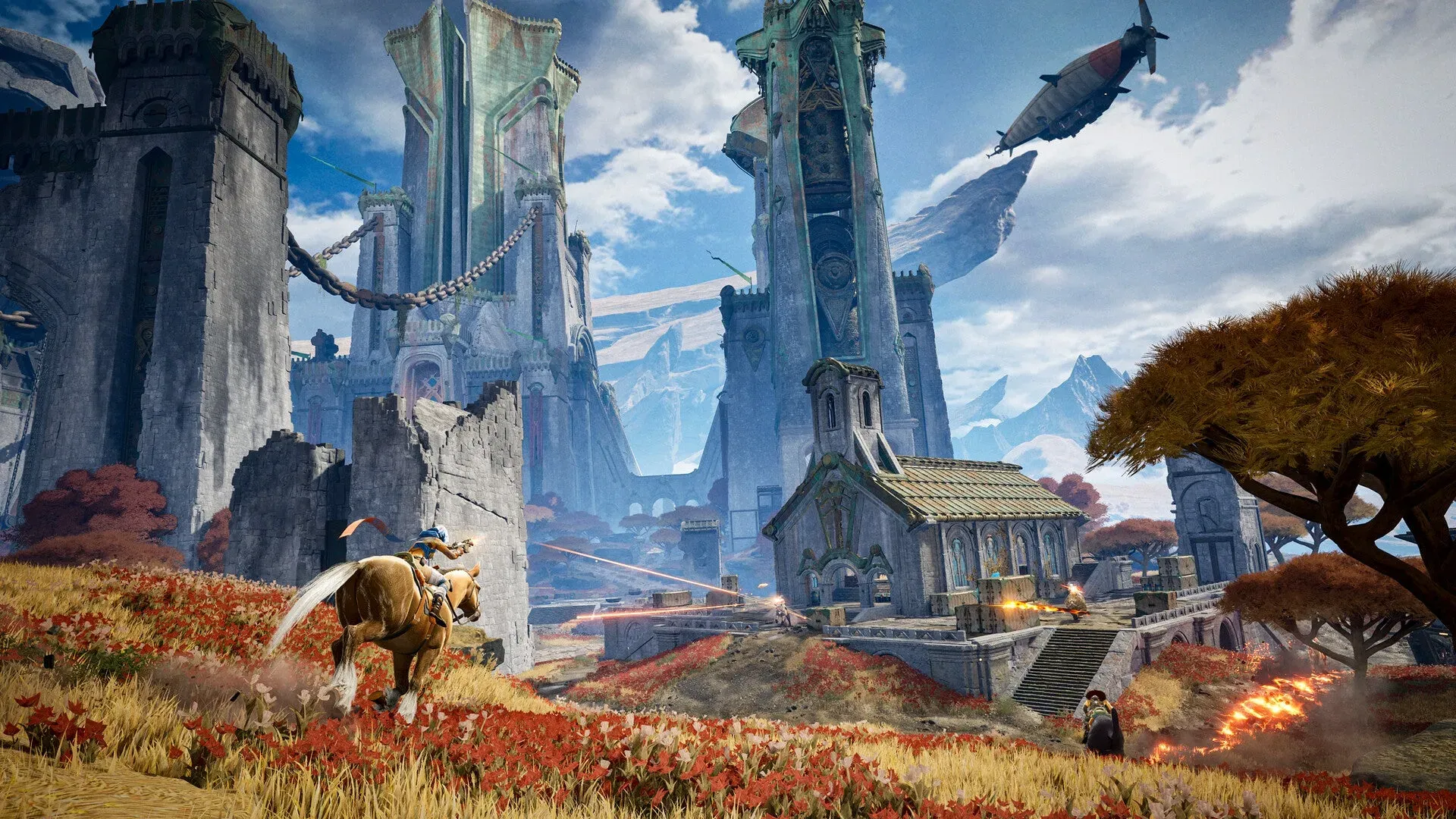

The numbers are hard to look at. Highguard peaked at nearly 98,000 concurrent players on Steam and now sits at 541. That's not a slow bleed; that's a cliff. Former Wildlight senior level designer Alex Graner went on the Quad Damage podcast this week and gave the clearest insider account yet of how it happened.
Graner's diagnosis centers on one decision: going all-in on 3v3. "3v3 is always the sweatiest version of anything like battle royale, objective modes, wingman, you know it, you name it," he said. "It requires such a high intensity of communication with your team and team play that it doesn't leave much room for casualness. I think that was the biggest thing that turned a lot of players off Highguard." He's careful to frame it as his perspective as a designer, not a company-wide post-mortem, but the logic is hard to argue with.
The structural problem wasn't just the format. It was what the format demanded on top of an already complex game. Graner laid it out plainly: you drop in, you want to loot, then there's an objective to chase, then one to plant, then overtime. Each rule makes sense in isolation. Stacked together for a new player who just queued with two strangers, it's a lot. "When players are first coming in it's a lot to grasp," he admitted. Compare that to how Apex Legends launched into a battle royale scene that was still finding its shape, and was, in Graner's words, "really easy to understand after you played one game."
The Skill Floor Did the Rest
High complexity plus 3v3 plus demanding movement mechanics meant that a bad game didn't just feel frustrating. It felt unwinnable. "If you just have a few bad games or your teammates aren't sticking together, you're just going to get rolled, and it's very hard to 1v2 in our game," Graner said. That's a retention problem dressed up as a design philosophy. The game was built for players who were already good at it, which is a fine audience to have, but a terrible one to build a free-to-play live service around.
Graner also acknowledged the pressure that came from Highguard's reveal at The Game Awards, which put a massive spotlight on a game that was still figuring out what it wanted to be. That kind of visibility can accelerate a launch but it also accelerates the verdict. Players showed up, got rolled, and logged off. The 3v3 format didn't give them a reason to come back.
Wildlight has since added a mode that removes the mining phase entirely to streamline matches, which suggests the studio knows the complexity was a problem. Whether 541 peak players is enough of an audience to iterate toward something better is a separate question, and not a comfortable one. Graner was laid off along with most of the studio; fewer than 20 people are believed to remain at Wildlight. They're still shipping content against a roadmap, but the gap between what Highguard was supposed to be and what it became is now being measured in the tens of thousands of players who tried it once and never came back.
Want to see more? Catch all the latest gaming news, updates, and patch notes right here at XP Gained!